
As most of you already know the first stop on my journey is Washington State, or more specifically, Seattle and Bainbridge Island to visit with family.
I’m here for a week and with quite a few things on the to-do list we got started with the fun right away.
My aunt and cousin pick me up from the airport and we immediately set off for Mount St. Helens about 3 hours south of Seattle near the Oregon border.
For those of you unfamiliar with the history of this still active volcano, Mount St. Helens is most notorious for its catastrophic eruption on May 18, 1980, becoming the deadliest and most economically destructive volcanic event in the history of the United States.
After about a month or so of earthquakes and building steam and magma the north side of the mountain began to bulge out.
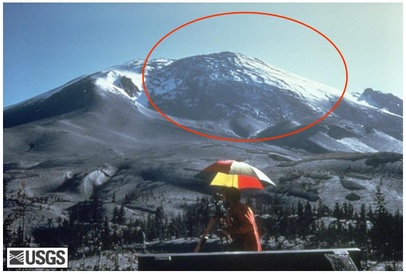
On May 18 a 5.1 magnitude earthquake triggered a massive collapse of the north face of the mountain. It was the largest known debris avalanche in recorded history.
Following the collapse the magma of the volcano burst out sideways in the form of a giant pyroclastic cloud that destroyed forests and houses over 230 square miles.
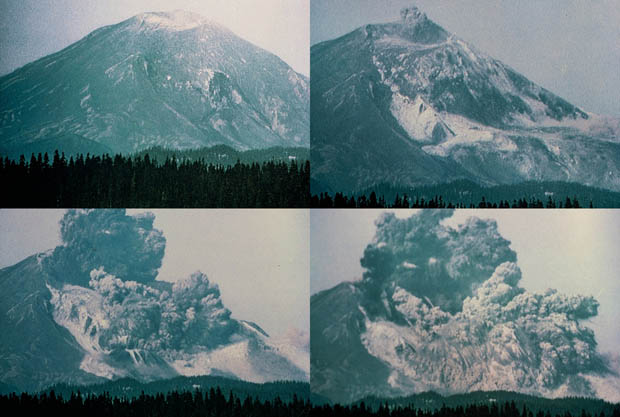
The heat of the eruption caused ice and snow to melt creating a giant mudslide that destroyed everything in its path, stripped parts of the surrounding mountain down to bedrock, and deposited trees and debris over 17 miles away.
For more than nine hours a plume of ash erupted reaching 12 to 16 miles high. Within 2 weeks the ash had circumnavigated the globe.
The removal of the north side of the mountain reduced Mount St. Helens’ height by about 1,300 feet and left a crater approximately 1.5 miles wide and 0.5 miles deep.
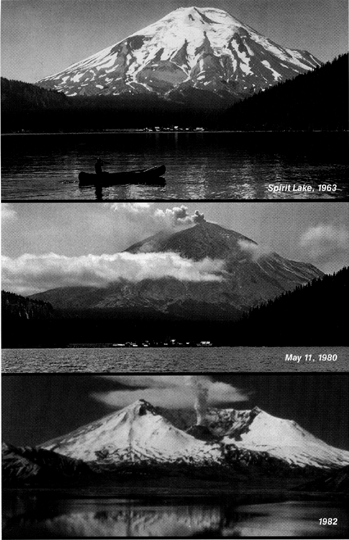
It was really amazing to see all of this up close and personal and learn about it from some very knowledgable park rangers. Nothing like this eruption had ever really occurred in our lifetime and the recorded history of other potentially similar eruptions was shady at best so volcanologists had very little to go on in regards to Mount St. Helens.

Even though the proof of the eruption is right in front of you it is still very difficult to imagine the entire side of a mountain being blown off.

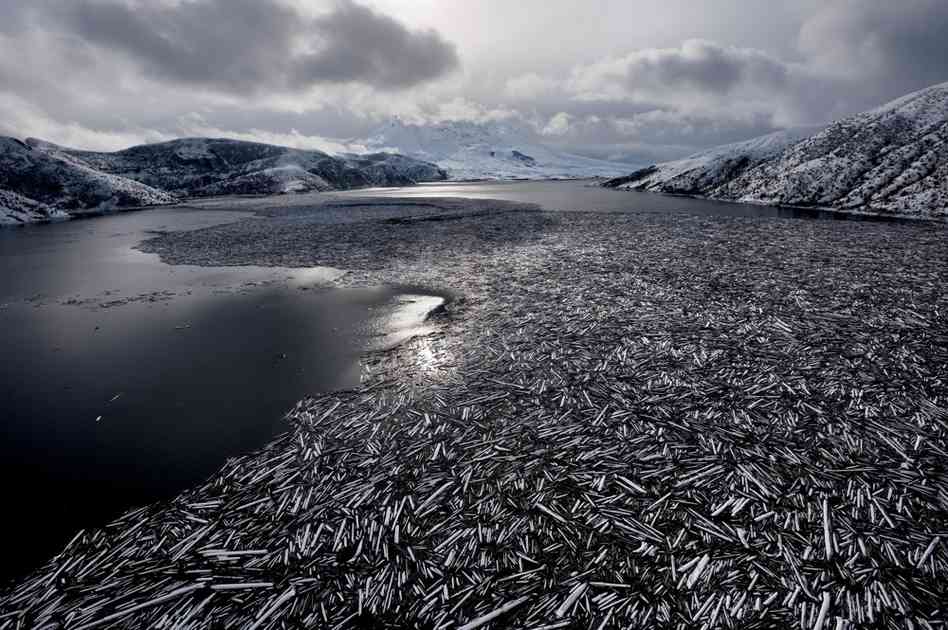
Spirit Lake used to be 200 feet lower then it is now. The lake was filled with rocks and debris and the whole landscape of lake was changed dramatically.

Trees were blown clean off their trunks and carried miles and miles away from their original locations. These dead stumps are all that remain.

There were clouds that hung over the top of the mountain while we were there but luckily you could still see the giant crater on the north side.

A whole forest of dead trees still stands on a part of the valley that was somewhat shielded from the main blast.

Those boulders at the top of the ridge are part of the mountain that got blasted off by the eruption.

If you ever find yourself in Seattle I highly recommend taking the drive down to see Mount St. Helens. It’s a gorgeous drive and a humbling experience. It’s just amazing to me that even after 24 years there is still so much that hasn’t grown back yet and probably won’t for quite some time.
But if you decide to visit beware! One of my favorite parts about the presentations and movies that we saw about the history of the mountain and it’s eruptions was the consistent ominous undertone. A favorite line of every recording in the museum was ‘It’s only a matter of time before it happens again!”
Dun dun dunnnn….
Have you ever been to Mount St. Helens? Seen the aftermath of another showing of mother nature’s power?

I am so happy for you! This is going to be such a fun adventure and I cannot wait to “join” you 🙂 xx
Nice photo ladies!
Pingback: My First Year of Travel & Future Plans - Home Behind - The World Ahead